
- News
- Science News
- Scientists map the borders of a hidden microcontinent beneath the Indian Ocean
Scientists map the borders of a hidden microcontinent beneath the Indian Ocean
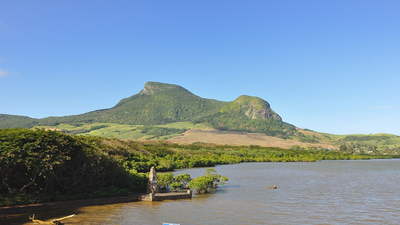
Image of Mauritius| Image Credit: Wikimedia Commons
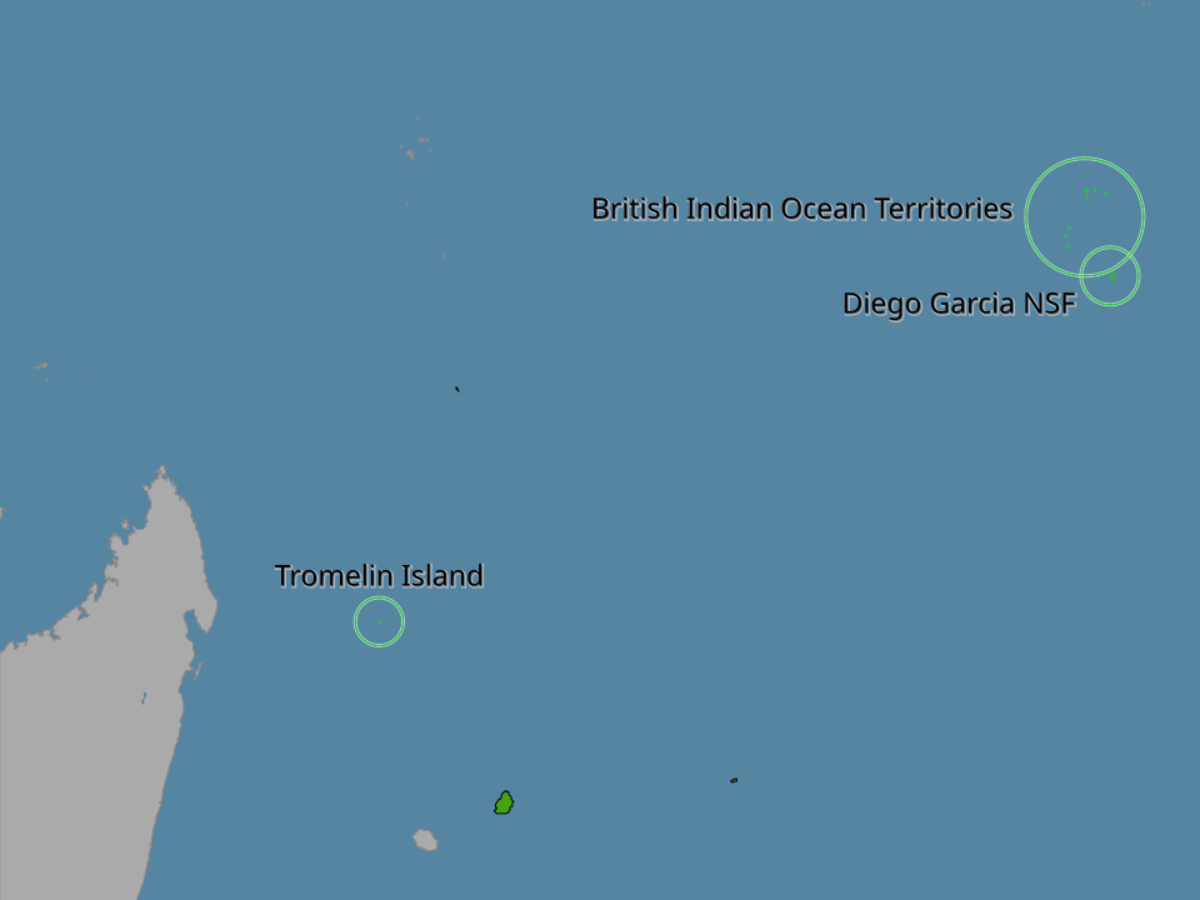
Image of Mauritius disputed country map| Image Credits: Wikimedia Commons

About the AuthorTOI Science Desk
End of Article
Follow Us On Social Media

Hot Picks
Top Trending
Tired of too many ads?go ad free now
Trending Stories
In Section
Entire Website
- 84% students show self-management skills, but parents still see academics first: What a school study reveals
- US Iran War News Live Updates: Pakistan army chief Munir meets Iran’s Araghchi in late-night Tehran talks; US hints fresh strikes
- Controversial Statue Removed: BJP govt pulls down Mamata-era sculpture; Ashoka emblem to replace logo
- Lucknow doctor arrested for raping Class 12th student after giving sedative injection inside OT
- ‘Beauty alone cannot feed family’: Why Uttarakhand’s villages are falling silent
- Virat Kohli vs Travis Head: What led to viral 'no handshake' between two IPL stars
- Twisha Sharma visited salon, got head massage before death; CCTV captures final hours before she returned home
- Twisha’s mom-in-law tried to tamper with evidence, MP government tells HC
- AP EAMCET 2026 answer key out today at cets.apsche.ap.gov.in; objection window open till May 25
- No handshake! Virat Kohli completely ignores Travis Head after RCB vs SRH IPL 2026 game - Watch
- 84% students show self-management skills, but parents still see academics first: What a school study reveals
- US Iran War News Live Updates: Pakistan army chief Munir meets Iran’s Araghchi in late-night Tehran talks; US hints fresh strikes
- Controversial Statue Removed: BJP govt pulls down Mamata-era sculpture; Ashoka emblem to replace logo
- Lucknow doctor arrested for raping Class 12th student after giving sedative injection inside OT
- ‘Beauty alone cannot feed family’: Why Uttarakhand’s villages are falling silent
- Virat Kohli vs Travis Head: What led to viral 'no handshake' between two IPL stars
- Twisha Sharma visited salon, got head massage before death; CCTV captures final hours before she returned home
- Twisha’s mom-in-law tried to tamper with evidence, MP government tells HC
- AP EAMCET 2026 answer key out today at cets.apsche.ap.gov.in; objection window open till May 25
- No handshake! Virat Kohli completely ignores Travis Head after RCB vs SRH IPL 2026 game - Watch
Tired of too many ads?go ad free now



Explore Every Corner
Across The Globe
IPL Playoff Qualification ScenariosVirat KohliPetrol Price HikeIndia temperatureWWE Smackdown HighlightsHarbhajan SinghGreen Card RuleShastri Park Furniture Market FireIPL 2026NEET UG FEE RefundCristiano RonaldoLSG vs PBKS IPL MatchAP EAMCET 2026Fortnite Cummunity Day DateChina Coal Mine BlastIPL Orange Cap 2026US Iran WarTwisha SharmaRCB vs SRH HighlightsIPL 2026 Playoff PredictionAkash SinghDonald Trump DaughterJoe RootFuel Rate todayJNVST Class 6 Phase 2 ResultsLaxman SivaramakrishnanWho is Jorge JesusIPL Points Table 2026Floyd Mayweather JrRCB vs SRH IPL Match

Hot on the Web
Swaroop Sampat RawalGul PanagRanbir KapoorRent Hike RulesAamir KhanJuhi ChawlaVedang RainaTraditional Indian FoodsDhurandhar 2 OTT ReleaseAbhishek BachchanDrishyam 3 Box Office CollectionAishwarya Rai BachchanVinod KhannaMaa Behen TrailerDeepika PadukoneChand Mera Dil Box Office CollectionNiranjana DesaiAishwarya Rai BachchanUnique Fruit TreesKaruppu Box Office CollectionDhurandhar 2Abhijeet DipkePopular FoodSnake Parks in IndiaKangana RanautHemant ModiBaby NamesDhurandhar 2 Box Office CollectionRaja Shivaji Box Office CollectionHoroscope TodayCuba Drone ThreatFatah 3 VS BrahmosUS Powerball LotteryRajnath SinghUAE Nuclear PlantSanjeev AroraNyt ConnectionsEpic Fury 2.0Legal Document PropertySuryastraS 400Captions For Instagram Posts
Trending Topics
TANCET Result 2026Twisha SharmaHamza BurhanSRH vs RCB ClashVaibhav SooryavanshiAbhishek SharmaAnimesh KujurAryna SabalenkaTamil Nadu MurderDelhi Market FireGurgaon Transformer BlastTCS Nashik CaseMP High CourtAllahabad High CourtHaryana Police EncounterLucknow RapeKolkata AirportMalabar Hill TankAIBE 21 admit cardNID DAT counselling 2026US Iran warDonald TrumpEbola treatment centreStrait of hormuzStarship V3 launch postponedRajnath singhFalta repollingPiyush GoyalBSF conquers EverestSergio GorHonda City FaceliftRealme 16TAmazon Trump TariffTrump China VisitBrian NiccolsRoyal Enfield CompensationFlight Delayed CompensationChristian KleinGarena Free Fire MAX Redeem CodesPeroxide CodesGenshin Impact Codes
Popular Categories
HeadlinesSports NewsBusiness NewsIndia NewsWorld NewsInternational SportsHealthIndian TV ShowsTechnologyTravelEtimesAstrologyDeorhiAutoTechnology NewsGold Rate TodayWeather TodaySilver Price TodayDelhi Weather TodayPetrol Price TodayDiesel Price TodayCNG Price TodayLPG Price TodayPetrol Price MumbaiDelhi AQIIs Bank Open TodayMumbai AQI TodayIs Bank Open TomorrowPublic Holidays in MayBank Holidays in May
Trending Videos
One-Sec B-2 Nuclear Bomber Video Sparks Iran War 2.0 Panic; Mystery Post Puts Mid-East On EdgeHai Jawani Toh Ishq Hona Hai Trailer Drops And The Internet Signs Up For Full Chaos Pakistan and India Could Reunite by 2075 Shocking Prediction Revealed | Ft. Sumit AcharyaThe Capture Season 3 Trailer : Holliday Grainger, Lia Williams and Ben Miles Starrer The Capture Season 3 Official TrailerTulsi Gabbard Set To Rock Trump Camp Again? Biggest Intel Storm Yet About To Explode | WatchDeadly Explosion Rocks New York Dockyard, Massive Casualties; 'Workers Trapped, Then Blast...'How Sunil Dutt Became Bandra’s Protector — And Why His Name Returned During Garib Nagar DemolitionsCould Another Version of You Exist in a Parallel Universe | Multiverse Theory | Ft. Maneeza AhujaAishwarya Rai Bachchan And Aaradhya Bachchan Give Cannes Its Most Emotional Bollywood Moment Yet Her Private Hell - Official TrailerBad Counselors - Official TrailerVir Das’s Reaction To CJP Ban Drama Has Internet Spiralling Again After Years Of TMC-Centre Tensions, Delhi Unlocks Rs 39,000 Crore For BengalLockdown - Official TrailerPropeller One-Way Night Coach Trailer : Kelly Eviston-Quinnett, C. Andrew Garrison and Olga Hoffmann Starrer Propeller One-Way Night Coach Official TrailerFresh Security Incident Reported As Tanker Approached Near Yemen’s Socotra Island | Report25–29 May Stock Prediction | One Wrong Trade This Week Could Cost You Big | Ft. Gaurav MittalDhurandhar Fans Discovering OTT Version Far More Intense Than Theatres
Latest News
Hazaribag man drowns while fishing in lake"Behen Darr Gayi!": Fans relive ‘Bhagam Bhag’ era after watching Akshay Kumar's 'Bhooth Bangla' trailerMBOSE HSLC result 2026 to release tomorrow: Check details hereIran war risk: JPMorgan CEO Jamie Dimon warns of oil shocks, sticky inflation and higher interest ratesMake your clutch last longer with these easy driving tips“Three-against-one situation”: El Rubius opens up on being “targeted” in MrBeast’s viral $1M challengeBihar BTSC lab assistant notification released for 1091 posts at btsc.bihar.gov.in; apply hereIPL craze costs techie Rs 1.46 lakh in fake RCB vs CSK ticket scamRaising “robot-proof” kids: Why creativity and curiosity matter more than everInside ‘Satguru Sharan’: Exploring Saif Ali Khan and Kareena Kapoor Khan’s Rs 100 crore Bandra homeHow selling Alaska in 1867 was a costly mistake for Russia'Hera Pheri 3 is coming': Paresh Rawal dismisses delay reports and reveals he will 'start shooting soon'US-Iran War: A daring rescue Hollywood blockbuster is on its way. Till then, pick your favourite from these 10 films on bringing someone home against all oddsKolkata team unveils fan mural at Rash Behari Avenue, celebrating city’s first loveHow US spread a lie to rescue a pilot of a jet shot down in IranNetflix unveils ‘VOID’, an AI model that can change a movie plotAI data centers are causing 'stress' not just to tech companies, but also private insurers"Trans women are.....": Clavicular’s viral moment with trans women sparks fresh conversation on internet culture
Copyright © 2026 Bennett, Coleman & Co. Ltd. All rights reserved. For reprint rights: Times Syndication Service